Accounts Receivable Management:
How Outsourcing Can Improve Your Cash Flow
Read More →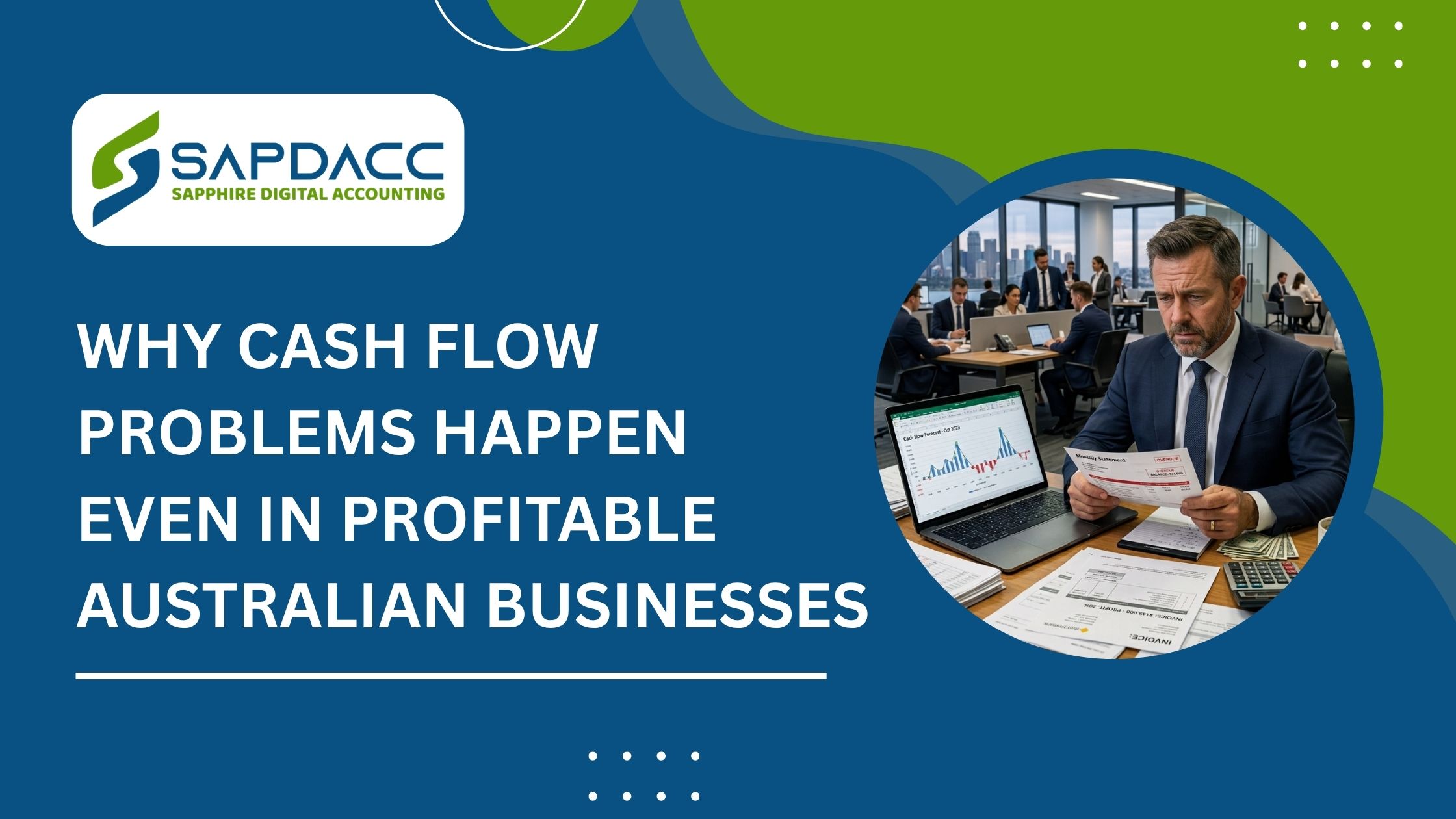
If your profit and loss statement looks healthy but your bank account tells a different story, you're not alone. It's one of the most common — and most confusing — challenges facing Australian small and medium businesses: being profitable on paper while constantly feeling short on cash. This disconnect catches out businesses across every industry, from trades and e-commerce to professional services and hospitality.
The truth is, profit and cash flow are not the same thing, and understanding the difference is the first step to fixing it. Once you know where the gap comes from, you can put simple, practical measures in place to close it — without needing a finance degree to do so.
Profit is what's left after you subtract expenses from revenue — it's an accounting measure, often calculated over a month, quarter, or year. Cash flow is the actual movement of money in and out of your business, day to day. You can record a sale the moment you issue an invoice, which improves your profit figure straight away — but if that invoice isn't paid for 60 days, the cash isn't actually available to you yet.
A business can be profitable and still run out of cash if:
This is why a growing number of Australian SMEs — even genuinely successful ones — find themselves stressed about cash despite solid sales figures. It's rarely a sign of a failing business. More often, it's a sign that cash timing simply hasn't been planned for.
Consider a Melbourne-based trades business that's just landed several new contracts. Revenue is up, and the profit and loss statement looks great. But materials need to be purchased upfront, subcontractors need to be paid within 14 days, and customers aren't required to pay their final invoice until 30 days after project completion. On paper, the business is thriving. In the bank account, cash is tight for weeks at a time — and the owner starts wondering whether something is going wrong, even though nothing actually is.
Money sitting in accounts receivable isn't helping your business — it's cash you've earned but can't yet use. The longer invoices go unpaid, the more your working capital shrinks, even as your reported revenue keeps climbing.
Without real-time bookkeeping and reconciliations, many business owners simply don't know their true cash position until it's too late. Reports that are weeks out of date can't tell you what's about to happen — only what already has.
Reacting to your bank balance is not the same as planning around a forecast. Without forward visibility, cash shortfalls arrive as a surprise rather than something you've planned for and budgeted around.
Growth is exciting, but it also increases cash demands — more stock, more staff, more overheads — often before the extra revenue lands in the bank. Businesses that scale quickly without adjusting their finance processes are especially exposed to this gap.
BAS, GST, superannuation and income tax obligations don't always align neatly with when cash is available. Without planning ahead, a routine compliance deadline can turn into a genuine cash flow squeeze.
Left unaddressed, cash flow gaps do more than create short-term stress. Many businesses turn to overdrafts, credit cards, or short-term loans to bridge the gap — adding interest costs on top of an already tight position. Decision-making becomes reactive rather than strategic, and genuine growth opportunities can be missed simply because the cash isn't available when it's needed most.
The good news is that most cash flow problems are fixable with the right processes in place. A few practical starting points:
Yes. Profit is an accounting measure calculated over a period, while cash flow reflects the actual timing of money moving in and out. A business can report strong profit and still experience genuine cash shortages if income arrives later than expenses fall due.
Ideally, cash flow should be reviewed weekly, alongside a rolling forecast that's updated as new information comes in. Waiting until month-end to check your position often means problems are spotted too late to act on comfortably.
Yes, to a point. Growth naturally increases upfront costs before the extra revenue arrives, but ongoing tightness during growth is usually a signal to strengthen your forecasting and receivables process, rather than something to simply accept as the cost of scaling up.
Before bringing in outside support, it's worth checking a few basics in your own business:
If you answered no to more than one or two of these, it's a strong sign your finance function needs better structure — not necessarily more hours in the week.
At Sapphire Digital Accounting, we help Australian businesses turn cash flow confusion into clarity. Our outsourced bookkeeping, accounts receivable management, and cash flow forecasting services give you accurate, current financial data — so you always know where your cash actually stands, not just where your profit says it should be.
We work across leading cloud accounting and ERP platforms, including Xero, MYOB, and QuickBooks, to build a finance function that supports growth instead of slowing it down. Our team becomes an extension of yours, handling the detail so you can focus on running and growing your business with confidence.
Beyond cash flow specifically, Sapphire also supports Australian businesses and accounting firms with payroll, BAS and GST support, financial reporting, and broader back-office outsourcing — so as your needs grow, you have a single trusted partner who already understands your business, rather than starting from scratch with someone new.
Book a consultation with Sapphire Digital Accounting and let's get your cash flow working for you.
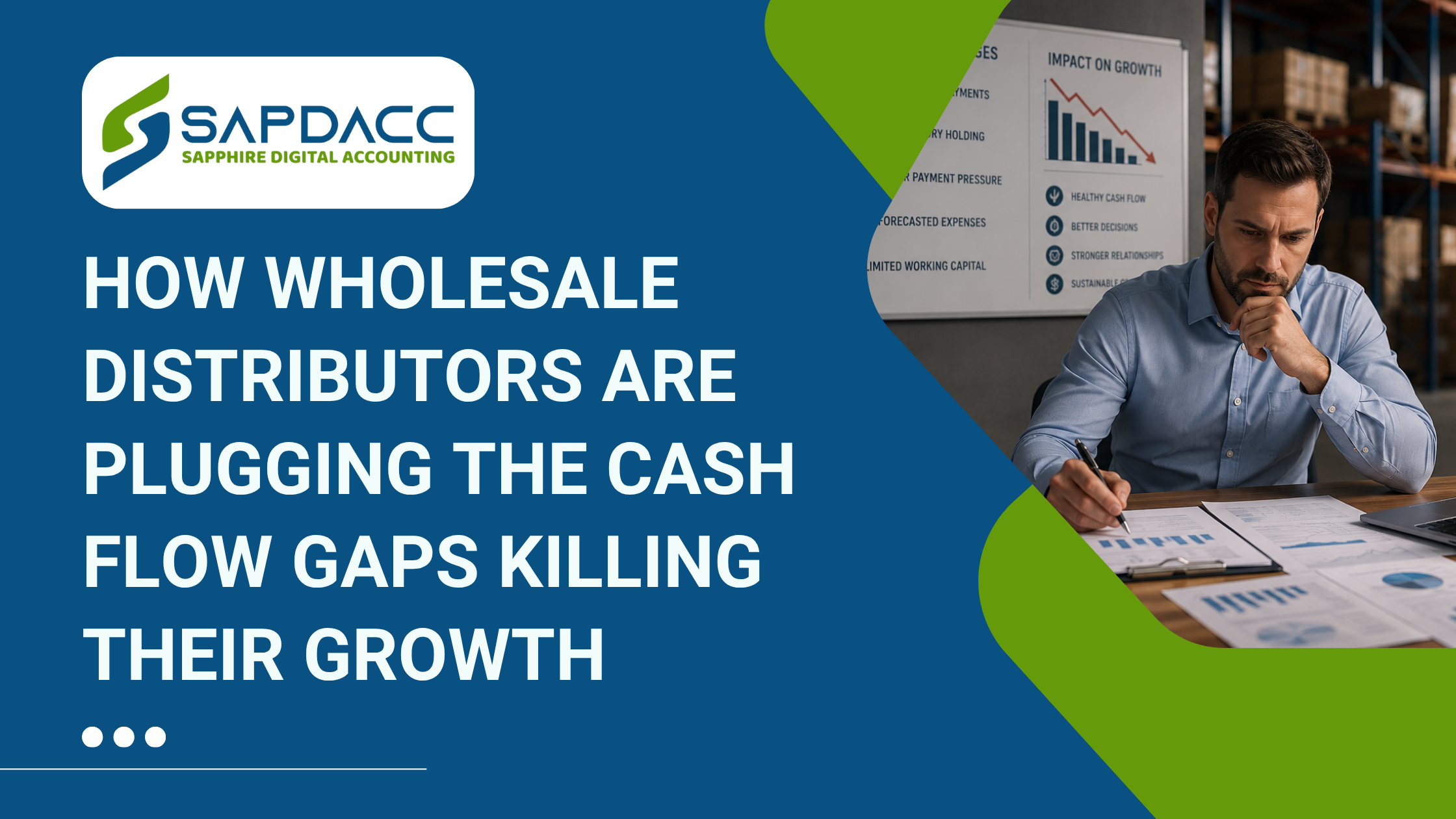
How Wholesale Distributors Are Plugging the Cash Flow Gaps Killing Their Growth
Read More →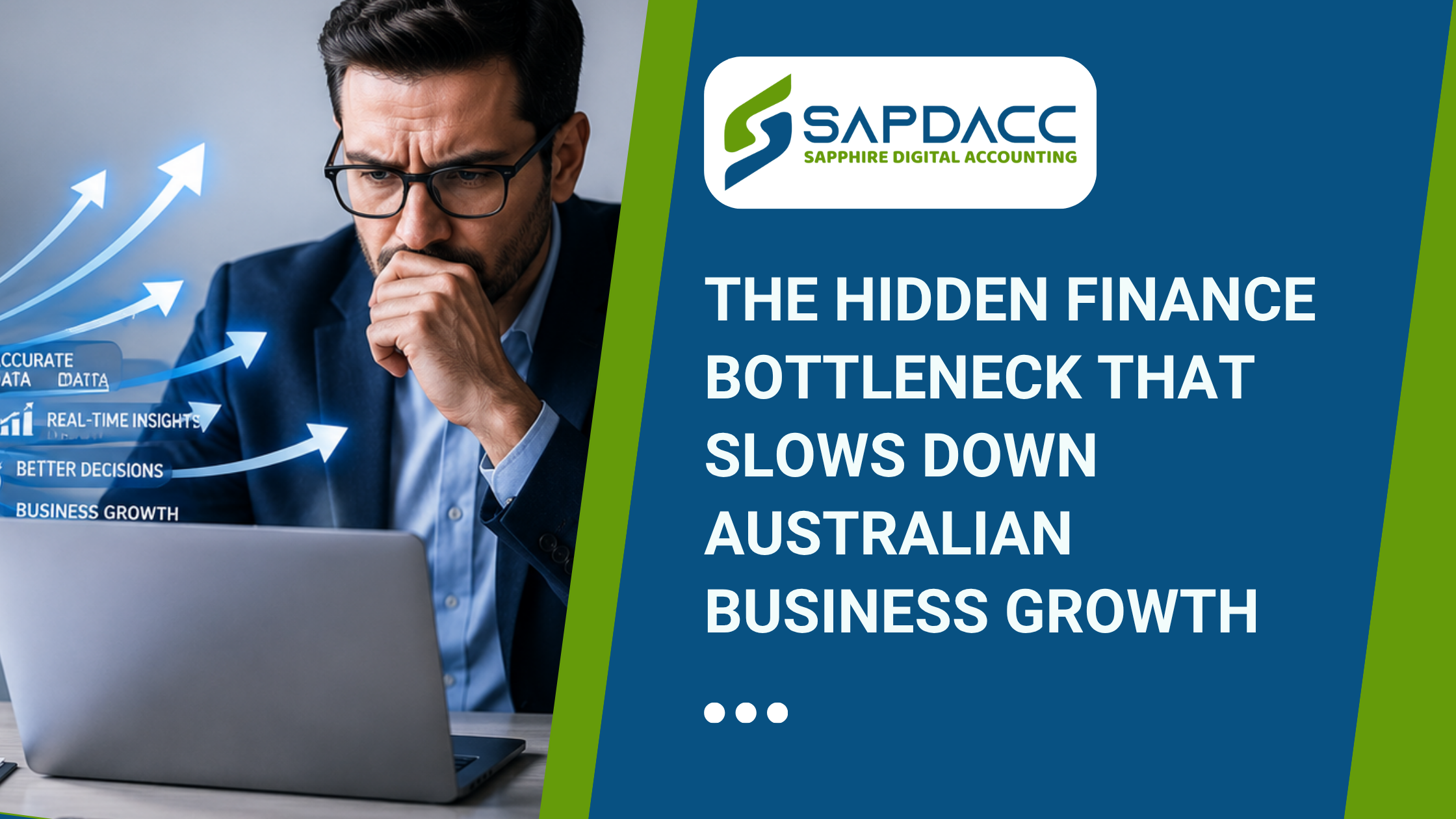
The Hidden Finance Bottleneck That Slows Down Australian Business Growth
Read More →