The Hidden Cost:
The Hidden Cost of “Doing Finance Internally” for Australian SMEs
Read More →
If reporting is always "a few days away", it's rarely a reporting issue. For many Australian SMEs, the real cause sits inside the back office finance function—where invoices, approvals, reconciliations, and exceptions either move consistently or quietly pile up.
When those foundations slip, reporting becomes late, unreliable, and stressful. And leaders end up making decisions with incomplete information.
Reporting delays create more than inconvenience
Late reporting is a business problem because it affects cash, confidence, and control.
What it looks like in practice:
The real-world impact:
The root causes are usually operational
Reporting delays typically come from process and capacity constraints—not from the reporting template.
When invoicing, allocations, approvals, and follow-ups are inconsistent, the ledger is never truly "current". Even strong finance teams can fall behind as volume rises. This is where AR AP outsourcing and outsourcing accounts payable often become practical levers.
Bank and balance sheet reconciliations should happen as a routine control, not as a last-minute task. When reconciliations slip, reporting becomes dependent on catch-up work and manual checking.
Email-based approvals, missing documentation, and undocumented steps create slowdowns. The result is gaps, duplicated effort, and work sitting with "no clear next step." This is where account process outsourcing can stabilise execution.
A common pattern in Australian SMEs is finance knowledge living with one person. Leave or turnover creates instant reporting delays, backlogs, and catch-up costs.
As the business grows, finance must support more suppliers, customers, systems, and reporting expectations. If the operating model stays the same, reporting delays become the default.
Fix the foundations, and reporting follows
The most reliable way to reduce reporting delays is to strengthen the operational finance workflow behind the reports.
A structured approach typically includes:
For many businesses, this is where outsourcing becomes practical—not as "task offloading", but as a scalable operating model.
Where outsourcing fits (without losing control)
A strong outsourcing partner can support:
If you need ongoing coverage, finance team outsourcing or Accounting team outsourcing can provide continuity without the recruitment cycle.
What improves when reporting stops being reactive
A growing Australian business notices month-end reporting has slipped from "a few days" to "nearly two weeks."The finance team is capable, but AR/AP is behind, approvals sit in inboxes, and reconciliations are being rushed.
By stabilising the back office workflow—tightening payables approvals, keeping invoicing and allocations current, introducing invoice checks, and building reconciliation discipline—the business shortens reporting turnaround and improves confidence in the numbers without expanding internal headcount.
Sapphire Digital Accounting supports Australian businesses as an outsourced operational finance partner. We help stabilise the back office finance function so reporting becomes predictable—supported by consistent AR/AP delivery, reconciliations, close readiness, and process discipline.
Our focus is practical: improve clarity, control, and continuity so leaders can rely on reporting and make decisions with confidence.
Reporting delays are rarely solved by a better report. They're solved by strengthening the operational finance engine behind it. When AR/AP, reconciliations, documentation, and exception handling run consistently, reporting becomes faster, clearer, and more trusted.
For Australian SMEs and growing businesses, that shift often requires a scalable operating model—especially when hiring can't keep up.
Book a consultation or speak to a finance expert to review your current finance setup. We'll help you identify the bottlenecks inside your back office finance function—and map a practical path to faster, more reliable reporting.

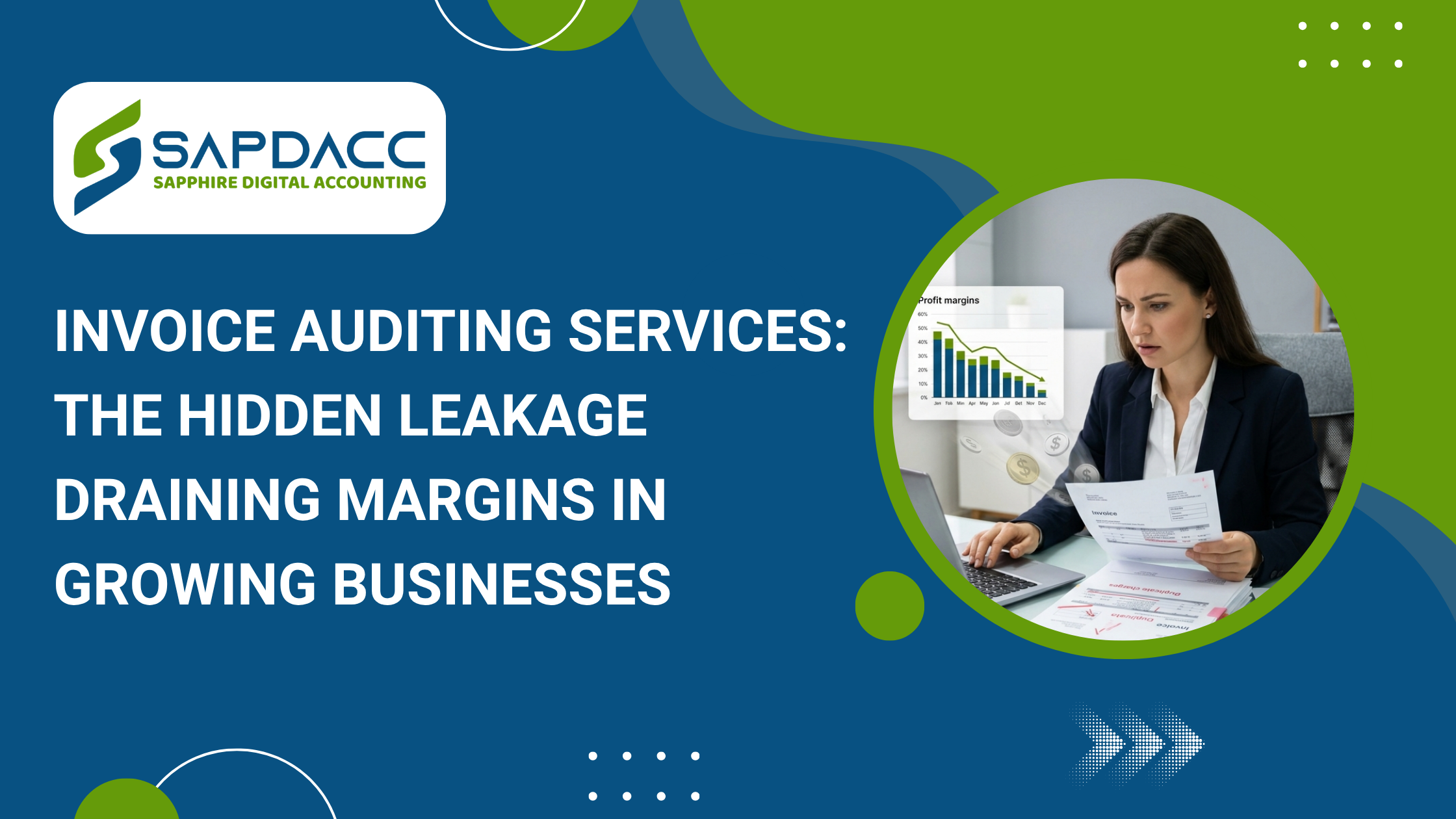
If your business is growing, your invoice volume usually grows even faster.
Read More →
If you’re a growing Australian business, you’ve likely heard the same advice..
Read More →